The Secession in European Art: Breaking with Tradition
At the turn of the 20th century, a wave of artistic rebellion swept across Europe as artists sought to break free from the constraints of academic tradition and embrace new forms of expression. This movement, known broadly as the Secession, was not a single unified style but a constellation of regional efforts to redefine the role of art in a rapidly changing world.
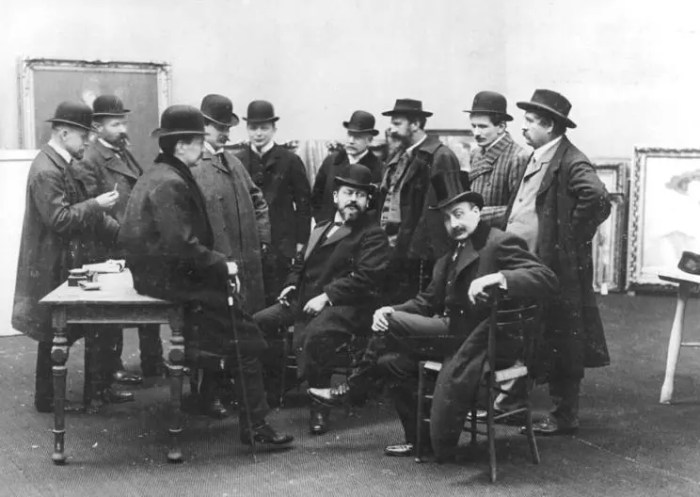
The most iconic of these was the Vienna Secession, founded in 1897 by Gustav Klimt and a group of progressive artists who rejected the conservatism of the imperial art academies. Their vision was total: to unify painting, architecture, design, and craft into a harmonious whole. The movement’s journal, Ver Sacrum, and its exhibition hall, the Secession Building, became symbols of a new aesthetic—ornamental, symbolic, and spiritually charged.
In Munich, the Secession began earlier, in 1892, as artists like Franz von Stuck challenged the rigid standards of the official salons. The Munich Secession laid the groundwork for later movements, blending Jugendstil (German Art Nouveau) with Impressionist and Symbolist influences. Meanwhile, the Berlin Secession, founded in 1898, took a more socially engaged approach. Led by Max Liebermann and Lovis Corinth, it embraced realism, psychological depth, and political awareness, offering a platform for artists like Edvard Munch.
Yet the Secessionist spirit was not confined to German-speaking Europe. Across the continent, similar movements emerged, each shaped by local culture and national aspirations. In Scotland, the Glasgow Style—led by Charles Rennie Mackintosh and Margaret Macdonald—offered a geometric, mystical pendant to Vienna’s ornate elegance. In Russia, the Mir Iskusstva (World of Art) group fused Symbolism with theatricality, championing beauty and fantasy in opposition to utilitarian realism.

In Poland, the Młoda Polska (Young Poland) movement blended Impressionism, Symbolism, and national romanticism, with artists like Stanisław Wyspiański using art to express cultural identity under foreign rule. In Spain, particularly Catalonia, Modernisme flourished with figures like Antoni Gaudí and Santiago Rusiñol, merging Art Nouveau with Mediterranean vitality and nationalist sentiment.

The Croatian Salon, founded in 1898, echoed Vienna’s ideals in Zagreb, promoting vivid color, decorative form, and national themes. Similarly, the Secessione Romana in Italy (1912) offered a more moderate and inclusive break from academic norms, embracing lyrical modernism while distancing itself from the radicalism of Futurism.
Toward the end of the period, the Secessionist ethos continued to ripple outward, inspiring artists and movements throughout Belgium, the Netherlands, the Baltic states, and Scandinavia. In cities like Brussels, Amsterdam, Riga, and Helsinki, artists absorbed the ornamental elegance and symbolic depth of the Secession, adapting it to local traditions and modernist aspirations. These regional expressions—whether in architecture, painting, or design—affirmed that the desire to renew art and culture was truly pan-European.
The Secession was not just a stylistic shift—it was a declaration of independence. It marked the moment when artists across Europe claimed the right to define beauty, meaning, and identity on their own terms.