The Berlin Secession, founded in 1898, was a bold move by a group of artists who wanted to break free from the strict rules of traditional art in Germany. At the time, the Association of Berlin Artists controlled most exhibitions and only accepted conservative, academic styles. Things came to a head when they rejected works by Edvard Munch, calling them too radical. That decision pushed 65 artists to form their own group—the Berlin Secession.

Leading the charge was Max Liebermann, a well-known Impressionist painter who became the group’s first president. Alongside him were Walter Leistikow, Franz Skarbina, and others who believed art should be open to new ideas and styles. They wanted to create a space where modern art could be seen and appreciated.
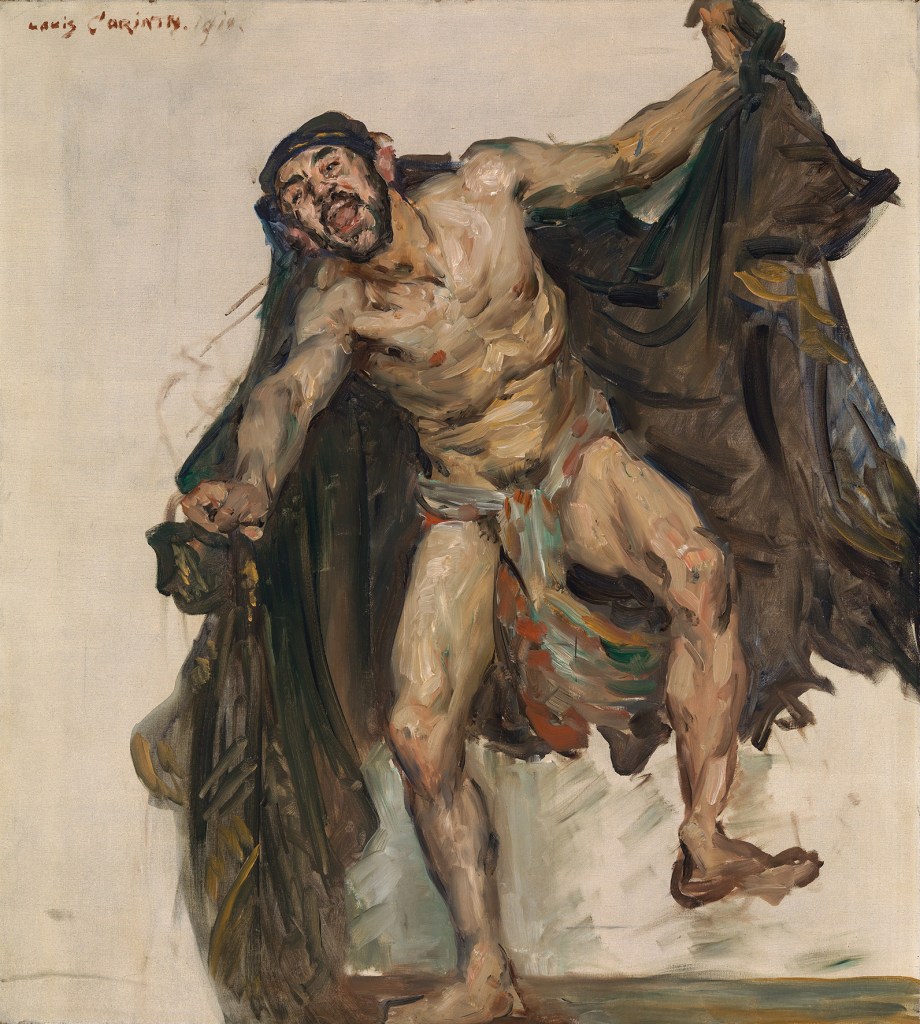
The Secession quickly grew into a vibrant community. Artists like Lovis Corinth, Max Slevogt, and Käthe Kollwitz joined, bringing fresh perspectives and emotional depth to their work. Kollwitz, in particular, gave voice to the struggles of ordinary people through her powerful drawings and prints.
The group also welcomed important female artists, including Dora Hitz, known for her poetic portraits, and Sabine Lepsius, a respected portraitist and intellectual. As the movement evolved, younger artists like Ernst Ludwig Kirchner, a founder of Die Brücke, and Max Beckmann, known for his intense and psychological style, became part of the scene. Their work helped push the boundaries of modern art even further.
The Berlin Secession embraced a wide range of styles—Impressionism, Symbolism, Art Nouveau, and later Expressionism. Their independent exhibitions gained attention across Europe and turned Berlin into a major center for modern art.
Although the group eventually split, especially with the rise of Expressionism and political pressure in the 1930s, its impact was lasting. The Berlin Secession proved that art doesn’t need to follow old rules—it can be bold, emotional, and free.