The first Secession movement began in Munich, Germany, in 1892, when a group of artists broke away from the traditional art establishment and founded the Munich Secession. This marked the beginning of a broader push for artistic freedom, with similar movements later emerging in Berlin and Vienna.
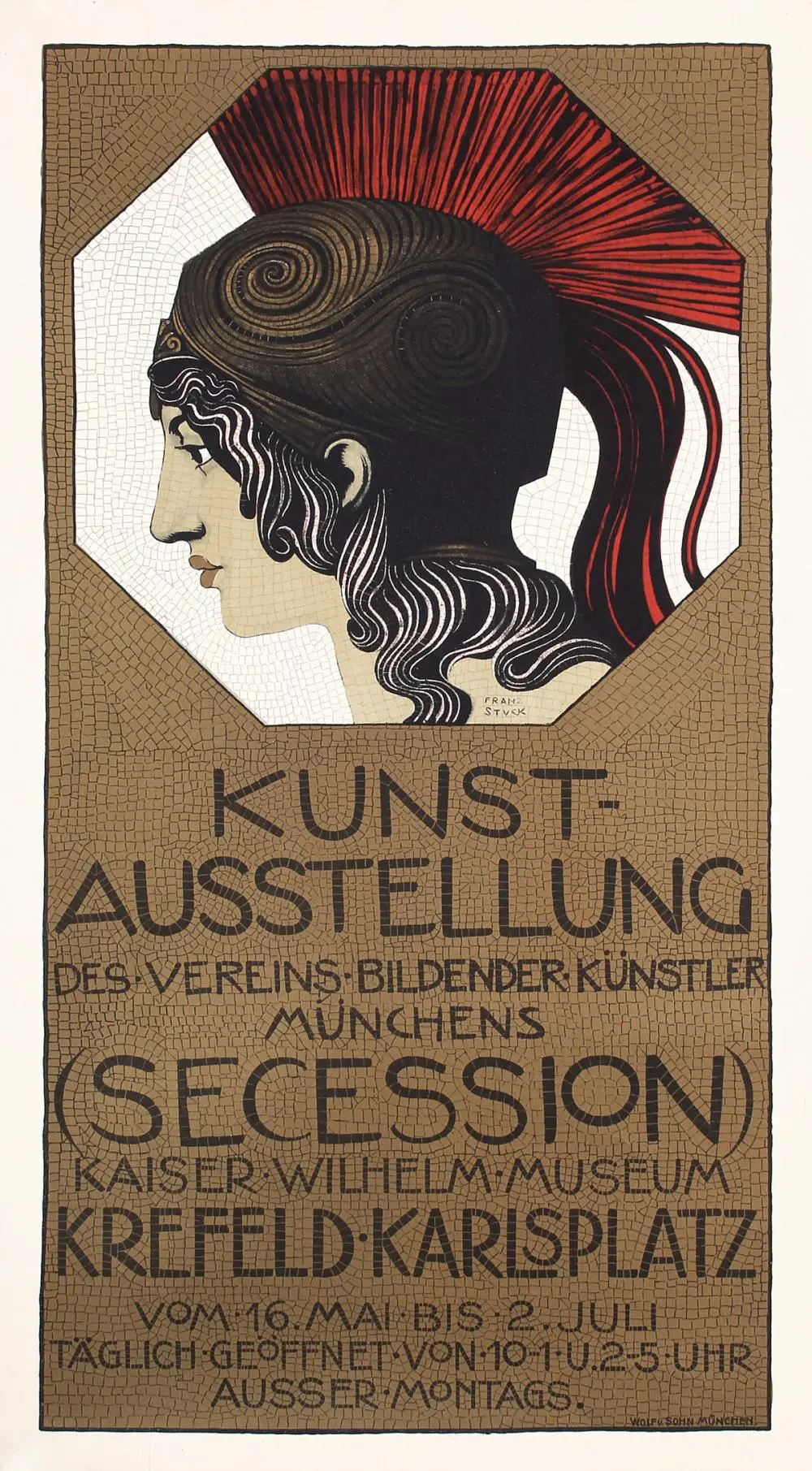
The Munich Secession was formed by artists who were frustrated with the strict rules of the official art scene. At the time, state-sponsored exhibitions focused almost entirely on historical and classical themes, leaving little room for modern styles. Commissions had to follow rigid guidelines, even though new artistic movements—such as Symbolism, Expressionism, Impressionism, and Art Nouveau—were flourishing across Europe. For many progressive artists, this narrow approach didn’t reflect what art was truly about. They demanded the freedom to explore and express new ideas.
To change the system, around 100 artists came together to form their own group. The most well-known among them was Franz von Stuck, who later exhibited in Vienna and even influenced Gustav Klimt. Other key founding members included Bruno Piglhein (the first president), Bernhard Buttersack, Ludwig Dill, Ludwig von Herterich, Paul Hoecker, Albert von Keller, Gotthardt Kuehl, Hugo von Habermann, Robert Poetzelberger, Fritz von Uhde, and Heinrich von Zügel.
The Munich Secession organized its own exhibitions and gave space to modern styles like Impressionism, Symbolism, and later Expressionism. Their efforts helped turn Munich into a major center for modern art and inspired similar movements across Europe.
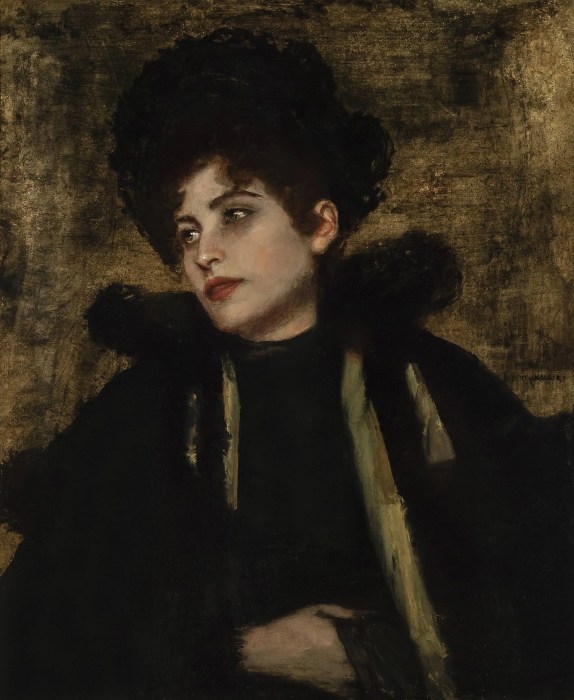
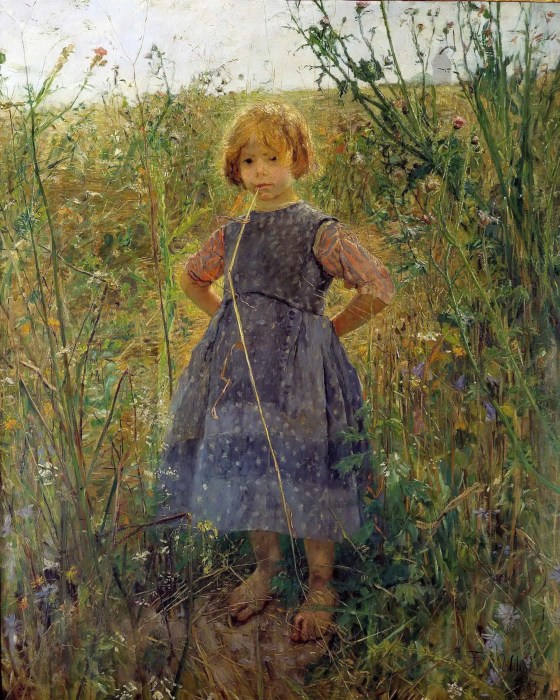
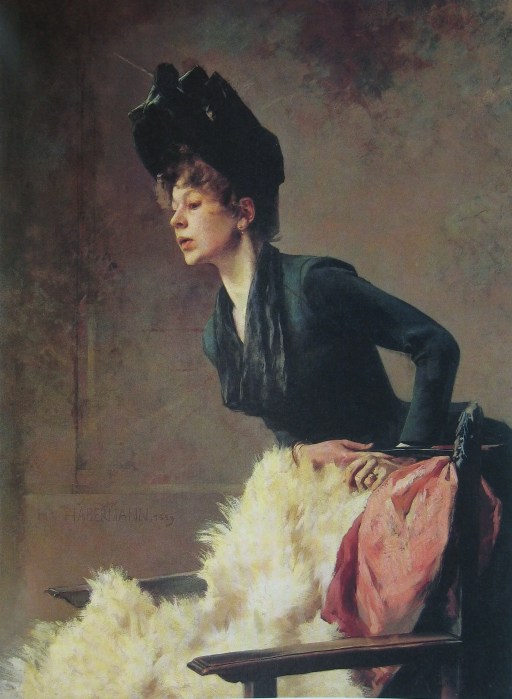
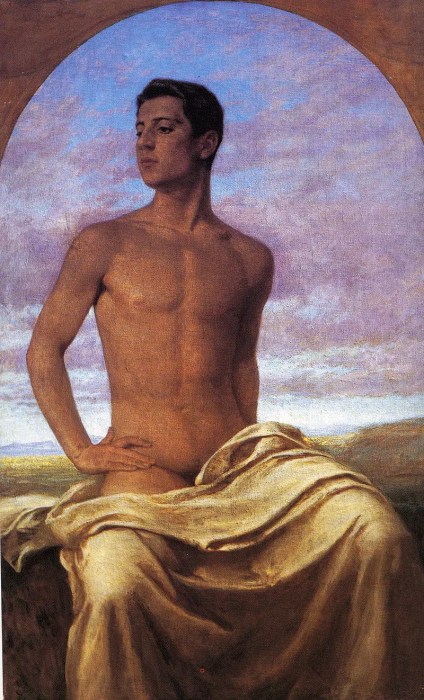
Some paintings by artists of the Munich Secession: