Introduction to Młoda Polska (Young Poland)
Młoda Polska, or Young Poland, was a dynamic period in Polish art, literature, and music that lasted from around 1891 to approximately 1918. It marked a cultural awakening and a break from the rigid artistic norms of the late 19th century. The movement was shaped by two generations of artists, primarily those born in the 1860s and 1870s, who sought to redefine the role of art in a rapidly changing world.
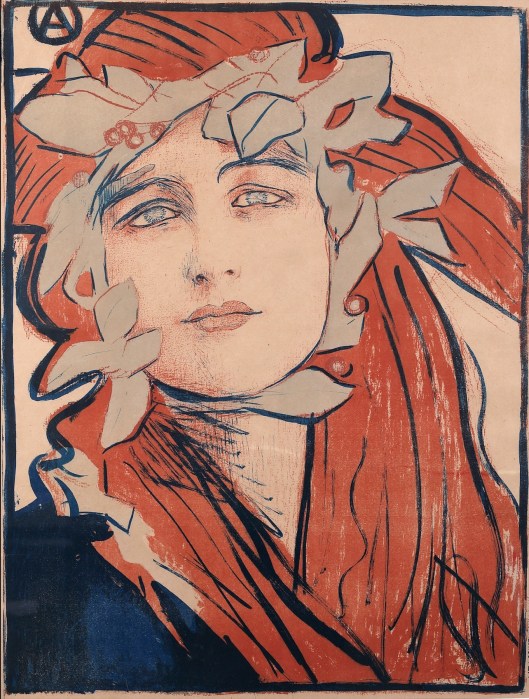
A European Context: Secession and Beyond
Young Poland was part of a broader European trend known as the Secession movements, which included the Munich Secession, Vienna Secession, and Berlin Secession. However, it was not merely a Polish version of these movements. It developed its own identity, influenced by Poland’s unique political situation—partitioned and lacking independence—and by the artists’ exposure to international trends through travel and study abroad.
No Single Style, Just a Shared Mood
The movement did not adhere to a single style. Instead, it absorbed a wide range of artistic approaches, including Neo-Romanticism, Symbolism, Expressionism, Naturalism, Impressionism, and later Art Nouveau, also known as Jugendstil. What unified these diverse styles was a shared mood—a sense of experimentation, emotional depth, and a desire to push art forward. The artists were responding to a cultural climate they saw as stagnant, and their work reflects a restless energy and openness to change.
Centers of Artistic Energy
Much of the artistic activity was centered in Kraków, Lviv (then part of Poland), and Zakopane, which became a cultural hub for painters, writers, and thinkers. These cities provided fertile ground for collaboration and innovation, and their influence can be seen in the work of many key figures of the movement.
Literary Foundations and Philosophical Shifts
The term Młoda Polska was first used by Artur Górski in a manifesto published in the Kraków newspaper Życie in 1898. Inspired by similar movements like Young Germany and Young Scandinavia, it signaled a rejection of Positivism and embraced ideas such as art for art’s sake, romantic nationalism, and critiques of bourgeois society. Writers like Stanisław Wyspiański, Kazimierz Przerwa-Tetmajer, Jan Kasprowicz, and Stefan Żeromski helped define the literary voice of the movement.
The Painters of Young Poland
In painting, Młoda Polska produced a rich and varied body of work. Artists such as Jacek Malczewski, Stanisław Wyspiański, Wojciech Weiss, Ferdynand Ruszczyc, and Józef Mehoffer explored themes of symbolism, national identity, and emotional intensity. Their paintings may not conform to a single visual style, but they share a mood of transformation and a sense that art was entering a new phase.
Conclusion: A Mood of Change
If you explore these artists’ works, you’ll notice the diversity in technique and subject matter. Some pieces may resonate more than others, but beneath them all is a common thread—the mood of change, the urgency of expression, and the belief that art could be a force of renewal in a time of uncertainty.