Mir Iskusstva (World of Art) was a Russian artistic movement and magazine founded in 1898 in St. Petersburg. It arose in opposition to the dominant realist tradition of the Peredvizhniki (Wanderers), advocating instead for beauty, individuality, and the autonomy of art. The movement was initiated by a group of artists and intellectuals, including Alexandre Benois, Sergei Diaghilev, and Léon Bakst, who sought to elevate Russian art by engaging with European styles and reimagining Russia’s own cultural heritage.

The movement unfolded in several distinct phases:
Early Phase (1898–1904): Focused on publishing the Mir Iskusstva magazine, this period emphasized refined aesthetics, historical imagination, and stylistic diversity. Artists such as Konstantin Somov, Evgeny Lanceray, Anna Ostroumova-Lebedeva, and Mstislav Dobuzhinsky contributed works inspired by Symbolism, Art Nouveau, and Rococo. Though not formally part of the group, Mikhail Vrubel was admired by its members for his mystical, emotionally charged style, which influenced their early ideals.

Theatrical Phase (1905–1910): With Diaghilev’s growing influence, Mir Iskusstva expanded into stage design and performance, culminating in the creation of the Ballets Russes. Artists like Bakst, Benois, and Dobuzhinsky transformed theatrical aesthetics with bold, imaginative sets and costumes. Konstantin Korovin, while not a member, collaborated with Diaghilev and shared the movement’s decorative and theatrical sensibilities.
Later Phase (1910–1917): As Russian art gained international attention, Mir Iskusstva began to fragment under the pressure of emerging avant-garde movements like Neo-Primitivism and Constructivism. During this period, several artists exhibited with the group or moved within its broader orbit. Zinaida Serebriakova, known for her lyrical portraits, and Elena Kiseleva, celebrated for her refined psychological studies, both participated in Mir Iskusstva exhibitions. Boris Grigoriev contributed expressive, often somber depictions of Russian life, while Martiros Saryan brought vibrant, Eastern-inspired compositions that reflected the movement’s expanding scope. Boris Kustodiev, though more folkloric in tone, shared the group’s interest in theatricality and national character, and exhibited alongside its members.
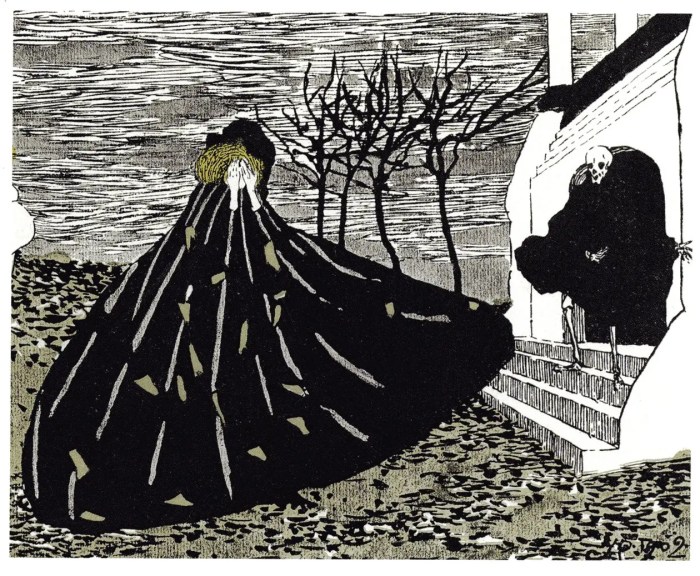
Although the group dissolved after the Russian Revolution, Mir Iskusstva reshaped Russian visual culture. It bridged tradition and innovation, introduced audiences to Western modernism, and fostered a dialogue between fine art, literature, and theater that continued to resonate well into the 20th century.